
The Value Of Perseverance
And Why We Need It

Read Time: Short - About 2 Minutes
Perseverance (noun) - continued effort to do or achieve something, even when it is difficult or takes a long time.
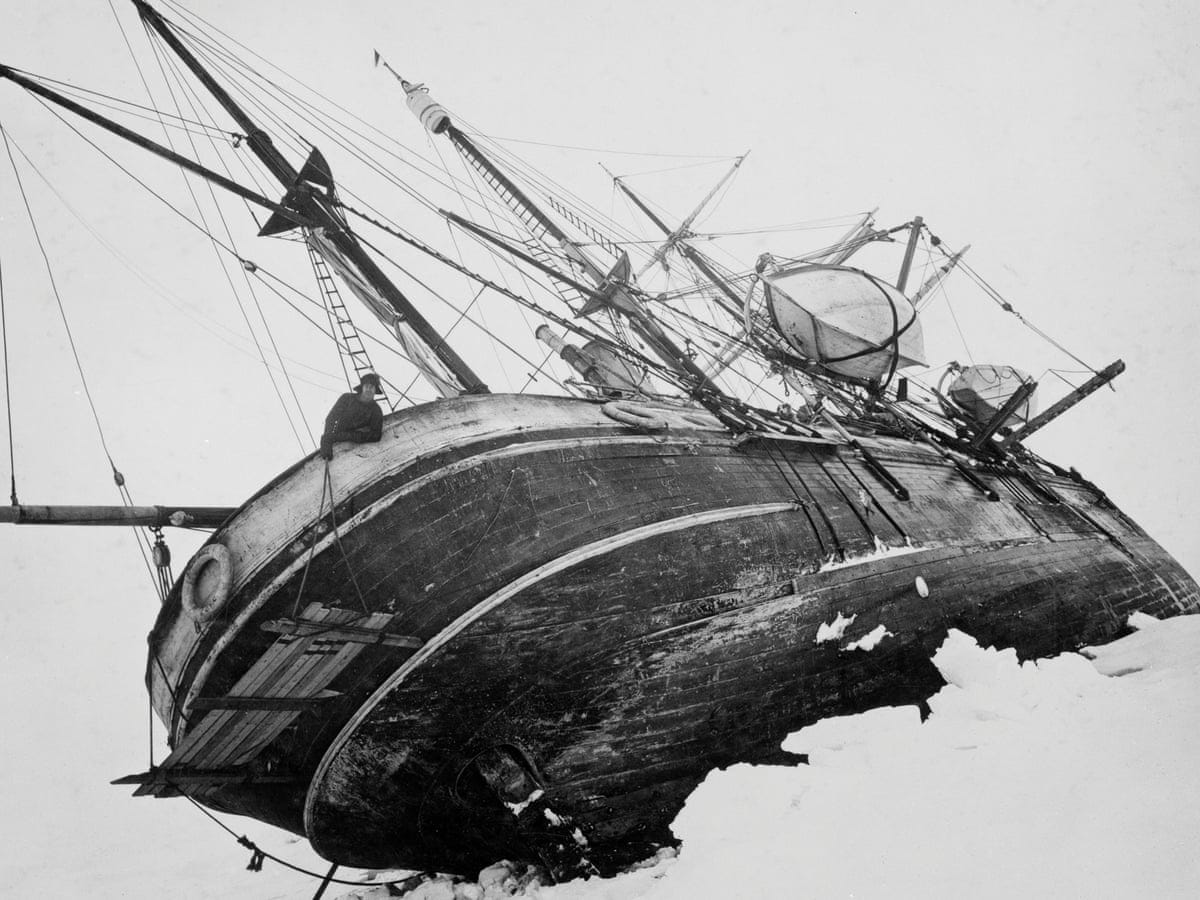
In January of 1915, Ernest Shackleton’s ship, The Endurance, became frozen in an ice floe off the coast of Antarctica. For one year and four months, Shackleton and his men survived starvation, frostbite, and deadly seas. At one point in the final hike on foot across South Georgia Island, two of Shackleton’s men, Frank Worsley and Tom Crean, fell asleep after walking in the bitter cold for 24 hours straight. Shackleton immediately realized they would all die if they stopped to rest. He allowed his men to sleep for five minutes, then woke them up and told them they had slept for half an hour. This boost of morale and small break allowed them to finish the grueling 40 mile trek across unmapped mountains and glaciers, finally arriving to the safety of a whaling station. Their survival wasn’t just about endurance, as their ship name suggests; it was about perseverance.
In a world of TikTok and instant gratification, perseverance is a personality trait that’s quickly becoming extinct. It’s a human quality critical for the prosperity of any civilization. Overcoming great odds, triumphing over setbacks and failure, and obsessively pursuing success are what led to the invention of the printing press, the discovery of penicillin, and the landing of a man on the moon. The three main ingredients of perseverance are patience, focus, and determination.
Patience is critical because any long-term success requires waiting. Great feats can require waiting for enough money to start a venture, for the results of a series of tests, or for the economic climate to shift to a more opportune outlook. People today are increasingly impatient, according to recent research, most likely caused by on-demand technology and instant gratification. Studies show that over half of consumers will not wait more than 3 minutes in a store. Impatience is also a major driver of faster and more aggressive behavior on the road too. A 2025 study found that over 90% of drivers admit to aggressive driving, primarily to reach destinations faster. “Compared to the first study conducted in 2016, self-reports of honking in anger are up 47 percent and cutting other cars off is up 67 percent.” Our lack of patience not only means our daily lives are worse, but that our ability to accomplish long-term goals is severely diminished.
Another trait that is vital to long-term success is staying focused. In fact, staying focused on a goal even while you’re waiting patiently for part of your plan to come to fruition can be the difference between making it or breaking it. Short-form digital content (like TikTok or Reels) trains the brain to expect a “dopamine hit” every few seconds, making longer, slower activities feel under-stimulating. As a result, research shows that the average attention span has shrunk to about 40 seconds. Could you imagine the Houston control operators at NASA getting distracted by TikTok every 40 seconds while Neil was trying to land on the moon?

And finally, you need determination. Even when you’re failing miserably, continuing on is a necessity for greatness. When someone mentions the Wright brothers, we all immediately picture their legendary biplane that achieved first flight on the sandy beaches of North Carolina. Most people don’t realize the brothers went through a massive iterative process, experimenting with and refining over 1,000 different gliders in 1902 alone, before finally achieving powered flight in 1903. If they had given up after their 7th or even 8th major crash, they would not have achieved their glory and fame. They stayed determined despite the setbacks and great personal risk of early flights.
Many people I meet in life have goals or dreams that have gone unaccomplished for years. In many cases, they may lack the ability or motivation to even begin an endeavor. But once you get started, perseverance is the secret sauce that leads to success. Ernest Shackleton didn’t give up after he survived his ordeal on the Endurance. In September of 1921, he set out on his fourth attempt to cross Antarctica aboard a ship called the Quest. Unfortunately, on January 5, 1922, while the ship was moored at South Georgia (the same island where he had sought help years earlier), he died of a fatal heart attack at age 47. While I believe his perseverance was heroic, many people may only see stubbornness. Perhaps the only difference is whether or not success is eventually achieved. The type of man Shackleton embodied is becoming increasingly rare, and is even a historical oddity at this point. But these types of people are still out there, and they’re behind every great innovation and accomplishment across the globe. We should all strive to channel a little more Shackleton in our everyday lives.